

(Oct. 17, 2013) As Dr. E. Fuller Torrey has said, "Waiting to treat those affected with severe mental illnesses until they become dangerous to themselves or others ensures that many will become exactly that."
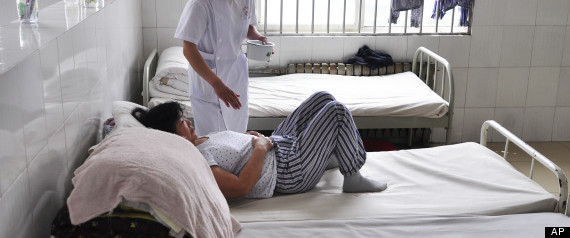 No one has to tell that to the nurse at Thomas B. Finan Hospital Center in Cumberland, Maryland, who was struck by a patient in the head with a seven-inch metal spike. The patient, a fifty-year-old man had been threatening to kill staff and had been refusing his medication (“Patient charged with stabbing nurse with spike in Western Maryland hospital,” the Washington post, Oct. 15).
Maryland requires that a patient demonstrate dangerousness, either to self or others, during a hospitalization in order to receive medications over objection as a result of the decision in Dep't of Health & Mental Hygiene v. Kelly (Md. 2007). It does not matter that the person has already demonstrated dangerousness, as is the only basis for inpatient civil commitment in Maryland in order to be admitted to the hospital in the first place. The person must demonstrate an additional episode of dangerousness while in the hospital in order to be medicated over objection.
The mother of the patient who stabbed the nurse stated that “he’s not violent unless he’s off his medicine for a long time. As long as he was on his medicine, he would give you the shirt off his back and help you in any way. If he wasn’t on his medicine, something should’ve been done to get him on his medicine. That’s why he was there, to be treated.”
Maryland, however, often continues to allow people to remain unmedicated in their severe mental illness until they become dangerous…even after they have been found dangerousness enough to be committed to a hospital.
To comment, visit our Facebook page.
Visit our blog archive to read all our recent posts.