

(Aug. 15, 2013) After a string of offensive tweets mocking schizophrenia, the chairman of Amnesty International UK, Ciarnan Helferty, resigned yesterday amidst heavy criticism for his remarks (“Amnesty International UK chairman resigns after outcry over jokes mocking mental illness on Twitter,” the Independent, Aug. 14).
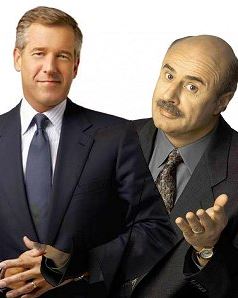 Helferty isn’t the only prominent figure making headlines lately for offensive characterizations of serious mental illness. Dr. Phil rightly received criticism for saying that people with mental illness “suck on rocks and bark at the moon.” NBC Anchor Brian Williams said that Ariel Castro, the Cleveland kidnapper and rapist, was “arguably the face of mental illness.”
These statements have drawn heavy and legitimate flak from mental health advocacy groups concerned that they feed stigma against individuals living with psychiatric diseases. The Associated Press even recently introduced language guidelines for talking about mental illness in media coverage. President Obama has said “We’ve got to get rid of that stigma.”
But would stigma be eliminated if mental health advocates were granted the final review on every news article, blog, television show and radio broadcast? Hardly. Opinions also are heavily influenced by personal experience and observation.
People who are successfully managing a chronic illness don’t wear labels indicating, “I take insulin” or “successfully treating my schizophrenia” so outsiders don’t know they have a diagnosis – and they don’t make headlines. It is those who are untreated and behaving in ways that attract attention.
An encounter with someone in the midst of a psychotic episode can shape another individual’s opinion about mental illness forever – and unfavorably. Media guidelines and the removal of derogatory terminology will not prevent these encounters or the news they generate.
Only successful treatment can.
To comment, visit our Facebook page.
Visit our blog archive to read all our recent posts.