

(Mar. 27, 2013) “Let them be homeless” sums up how the opposition framed their testimony last week at a Senate hearing in Maryland to expand access to treatment for severe mental illness. We could hardly believe our ears.
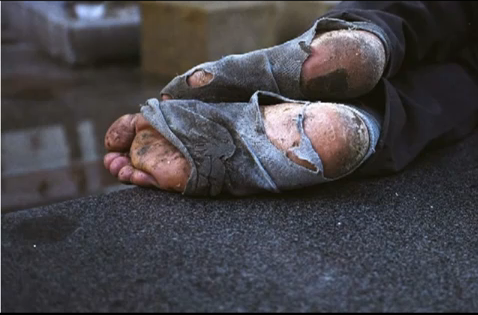 “There are a lot of folks that are homeless that are served by some of our programs, who are quite happy individuals, actually,” said Elaine Carroll of On Our Own of Maryland, which describes itself as a “mental health consumer education and advocacy group.“
“They choose to be homeless because that is their choice at the moment. They may not get the best nutrition, and they may not have slept in a few days and may not look as though they know what is good for them. But they do! And we know this because we’re with them every day. So to actually think that they might fall into a category where they would be forced out of their environment is very upsetting to a lot of the members of our community.”
We find it appalling that anyone would suggest people with severe mental illness, many of whom cannot even recognize their illness, prefer to stay homeless. The quality of life for these individuals is abysmal. Many are victimized regularly. One study found that 28% of homeless people with previous psychiatric hospitalizations obtained some food from garbage cans, and 8% used garbage cans as a primary food source. (Read our backgrounder on homelessness and mental illness).
The Maryland bill, SB 1040, would broaden the language in Maryland's civil commitment standard and make treatment possible for people with severe mental illness who cannot meet their basic human survival needs without assistance, and expand the focus of a dangerousness evaluation to allow doctors and judges to consider not just the person’s condition at the moment of evaluation but also how he or she can reasonably be expected to fare in the community if not hospitalized. The bill is particularly important for people with anosognosia — unawareness of one’s own illness — because they often do not adhere to treatment, which can lead to homelessness, hospitalization, victimization and jail.
We are delighted to report that yesterday the bill passed the Maryland Senate unanimously. It now goes to the House of Delegates, where Delegate Peter Hammen (D-Baltimore), Chair of the House Health and Government Operations Committee, must decide whether to bring the bill to a committee vote.
How can you help?
CALL OR EMAIL your own delegate if you live in Maryland. (Find your delegate here.) This is particularly important if your delegate is a member of the House Health and Government Operations committee. Urge your delegate to ask Chairman Peter Hammen to bring SB 1040 to a committee vote. Share how your personal story speaks to the need for this change in the law.
WRITE a letter to the editor of the Baltimore Sun and say you support passage of SB 1040 to make treatment more available. If you have a personal story that is relevant, please share it in the letter so the editor knows what SB 1040 means to you.
To comment, visit our Facebook page.
Visit our blog archive to read all our recent posts.