

(Mar. 15, 2013) We are all familiar with the moments in our lives that stop us in our tracks and forever change our reality. On Jan. 3, 1999, Kendra Webdale was pushed to her death in front of a subway train by a complete stranger who was unable to avoid the compulsions of his schizophrenia that made Kendra the victim of his violent psychosis.
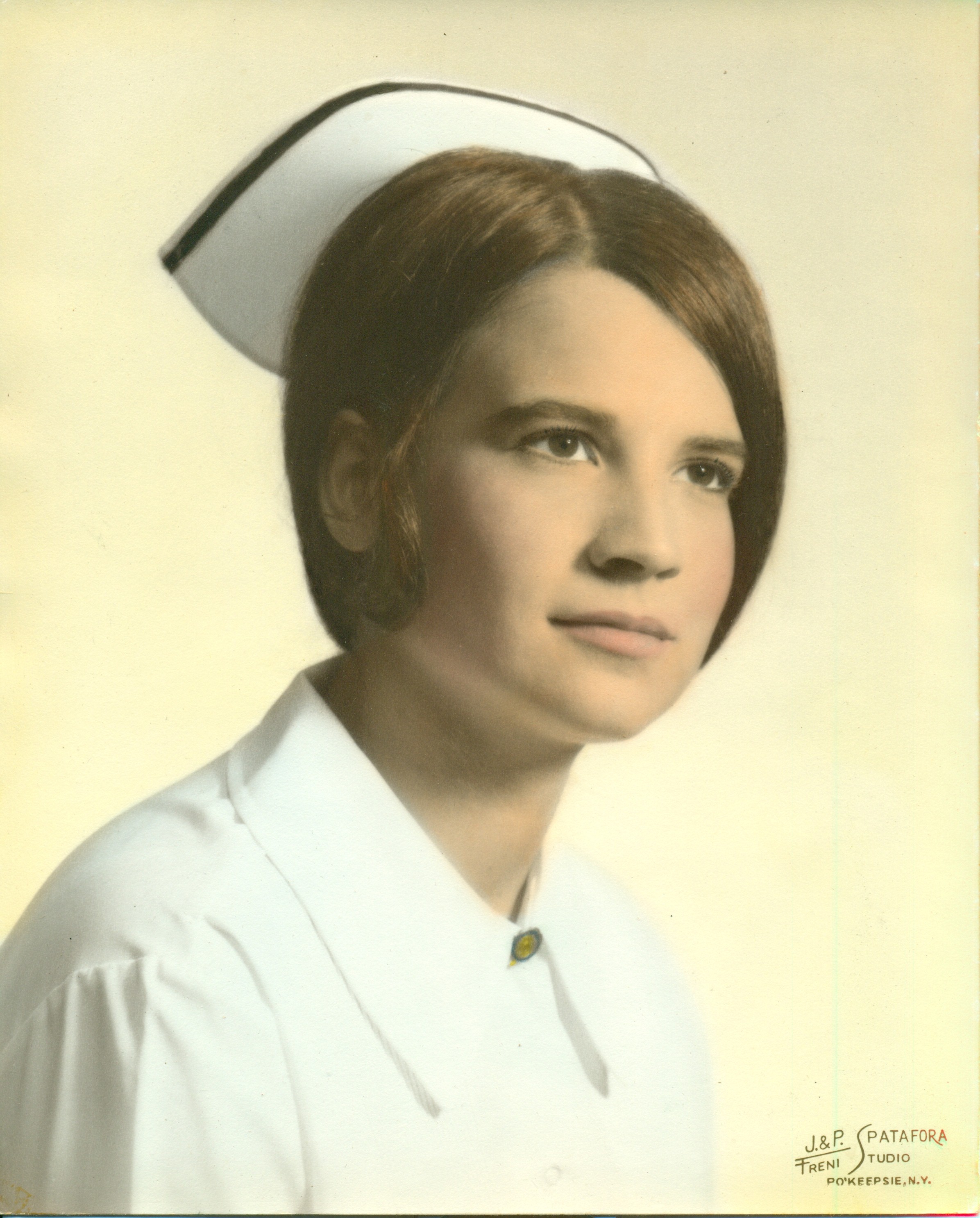 I still cringe when I remind myself that he had been recently released from a psychiatric center. Many of my friends who took the subway to and from work astonished, “it could have been me.”
Meanwhile, I silently suffered the devastating reality that this could have been my mom. The only thing I could do was reaffirm my commitment to protecting mom and everyone else from the dangers of her bipolar schizophrenia. Because of her mental illness, she had already inflicted harm to herself and others, and had come dangerously close to crossing the line that Kendra’s attacker crossed.
Families of the dangerously mentally ill become accustomed to isolation and suffering in silence. Life becomes a challenge of constantly waiting for the other shoe to drop and wondering when the next episode will happen.
I could not figure out why my mother’s irrational behavior was not enough for the police to put her in the ambulance and take her to the hospital. The police saw that we were scared. They knew my mother put us in danger when my father was not in town. I could tell the police officers were afraid for us. When they came, I made them promise they wouldn’t leave. Nevertheless, they acted like their hands were tied.
Finally, during one particularly bad episode, I distinctly remember a police officer asking, “Has your mommy hurt or threatened to hurt you or your brothers? “No,” I said honestly. The trooper was relentless. For what seemed like hours, she repeated the same question and I continued to answer honestly.
Finally, exhausted, I realized what the police officer was prompting me to say. “My mommy threatened to hurt me,” I said. I’ll never forget the look of betrayal on my mother’s face and the profound sense of guilt I felt the first time I said it. As a young girl, I tried to make myself feel better about destroying our relationship by convincing myself that lying to the police got mom help and kept the family safe. Even at a young age I was aware that this was the only way to get my mother treatment.
Almost 10 years after Kendra’s death, I contacted an attorney in New York who informed me about Kendra’s Law.
Kendra’s Law, the assisted outpatient treatment process in New York, was invaluable to my mother’s treatment and our family’s peace of mind. No longer would mom be released from a psychiatric center to live on her own and hope for the best. The AOT process required a supervised residential setting for her. Instead of waiting for her to break a law before she could receive treatment, when mom refused to take her medication she was readmitted into the psychiatric center.
Mom passed away in her sleep, at 60 years old. Along with the despair of losing my mother is the relief that I no longer have to battle her mental illness to keep everyone safe from the consequences of her psychotic breaks. It is a sad reality that many families still suffer through in silence.
Now that my mother has passed, many people ask me why I continue to share her story. I explain that the little girl who had to betray her mother in such a profound and permanent way to navigate a broken mental health system is still here. No family member should be put in such a position. Laws need to support the relationships between people with mental illness and their families, not sabotage them.
Michele Kinzel
Kinzel is the daughter of a woman who suffered from bipolar schizophrenia and a beneficiary of Kendra's Law. She lives in New York.
To comment, visit our Facebook page.
Visit our blog archive to read all our recent posts.